
Scaling Nigerian E-commerce: Navigating the Unique Challenges of the Local Market
Expert insights and engineering updates from the Ritedev team.
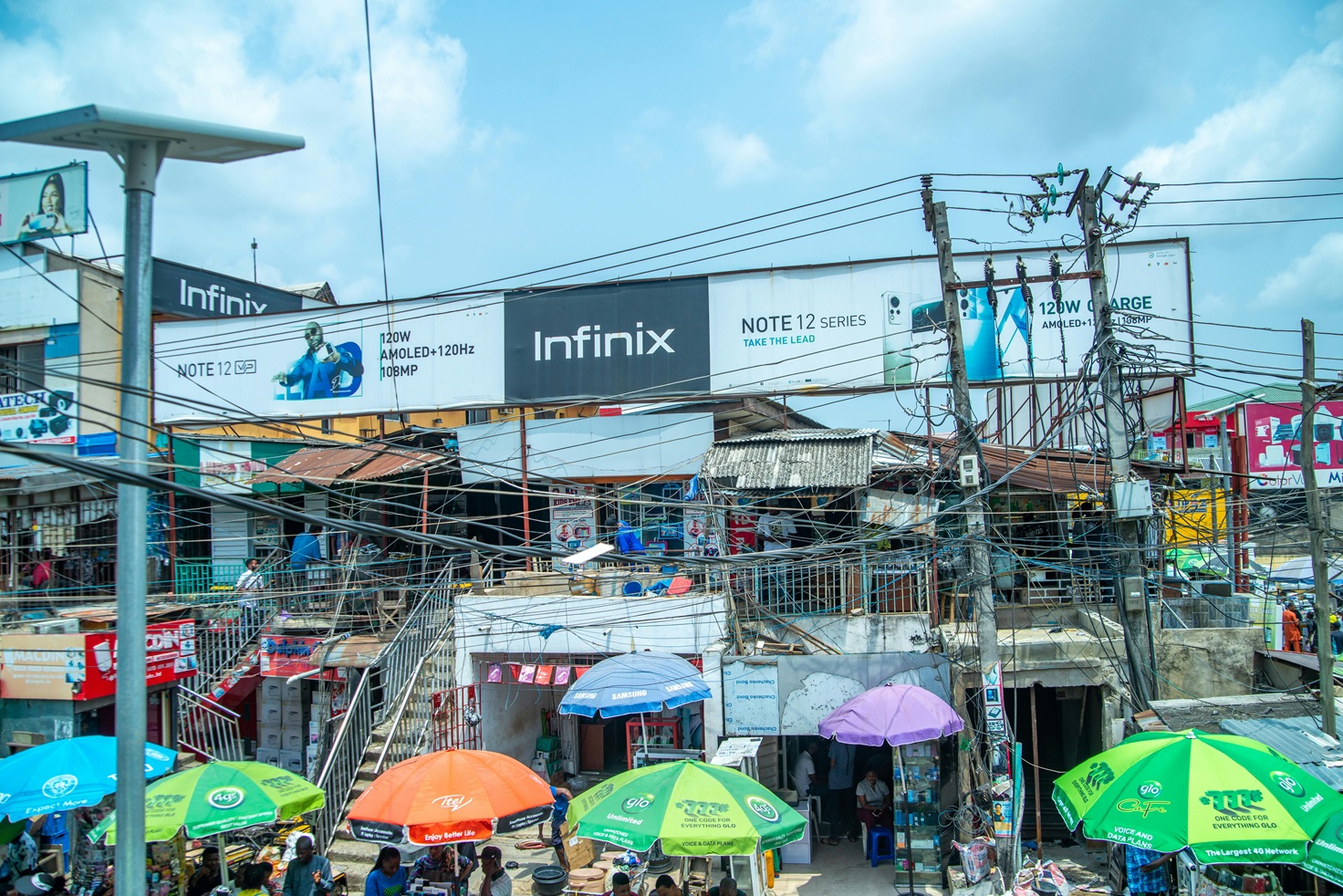
Nigeria is often described as a frontier for digital commerce, a land of massive opportunity tempered by equally massive logistical and trust-based hurdles. In 2020, as the world shifted towards online interactions, the Nigerian e-commerce sector faced a trial by fire. For a business to succeed here, it isn't enough to simply have a website; you need a system that understands the heartbeat of the Nigerian consumer.
The first major hurdle is trust. Unlike in more developed markets where 'pay before delivery' is the standard, many Nigerians are still wary of paying for something they haven't seen. This has led to the 'pay on delivery' (POD) model, which, while helpful for customer acquisition, is a nightmare for business cash flow and logistics. To scale, businesses must transition their customers toward digital payments by offering incentives, robust refund policies, and building a brand that feels human and reachable. Trust is the currency of the Nigerian internet.
Without it, you are just another URL in a sea of skepticism. You build trust by being transparent about your physical location, showing real customer testimonials, and ensuring your customer service is responsive across WhatsApp and social media. Logistics is the second giant. Our 'last-mile' delivery is notoriously difficult.
Addresses can be vague, and traffic in cities like Lagos can turn a 10-minute delivery into a 3-hour ordeal. Successful e-commerce players are those who treat logistics as a core part of their tech stack, using real-time tracking and automated dispatch systems to keep customers informed. We have seen businesses struggle because they viewed delivery as an afterthought. In Nigeria, delivery is the product. If the customer doesn't get their package on time and in good condition, the website's beauty doesn't matter.
You must partner with reliable logistics providers or build your own internal fleet if you want total control over the customer experience. Furthermore, we must talk about technical infrastructure. Scaling means your website must stay up when everyone wants to buy. During Black Friday or holiday seasons, the surge in traffic can crush a poorly optimized server. We advocate for cloud-based solutions that can scale horizontally.
This means your server capacity grows as your traffic grows, ensuring that no customer ever sees a '504 Gateway Timeout' error. Optimization also includes image compression; a 5MB product image will kill your load speed on a 3G connection in rural Nigeria. Use modern formats like WebP to keep quality high and file size low. Payment integration is another critical area. While Paystack and Flutterwave have made things easier, you still need to handle transaction failures gracefully. A failed payment shouldn't mean a lost customer. Implementing automated follow-ups for abandoned carts or failed transactions can recover up to 20% of lost revenue.
Your system should also support multiple payment methods—not just cards, but bank transfers, USSD, and even digital wallets. The more ways a customer can pay, the less friction there is to the sale. Data analytics is the final piece of the puzzle. You cannot scale what you cannot measure. You need to know your Customer Acquisition Cost (CAC) and your Lifetime Value (LTV).
Are you spending more to get a customer than they will ever spend with you In the early days of Nigerian e-commerce, many companies burnt through millions of dollars because they didn't understand their unit economics. Scaling properly means growing profitably, or at least having a clear path to profitability. In conclusion, scaling an e-commerce business in Nigeria is a marathon, not a sprint. It requires a deep understanding of the local culture, a robust technical foundation, and an unwavering commitment to customer satisfaction.
By focusing on trust, logistics, infrastructure, and data, you can build a business that doesn't just survive but thrives in the giant of Africa.
Related Tags: