Ritedev

Knowledge for Growth

Insights, guides, and updates from the Ritedev engineering and strategy teams.

Why Every Logistics Business Needs a Tracking System
Logistics Technology May 11, 2026
20
1 min read

Why Every Logistics Business Needs a Tracking System

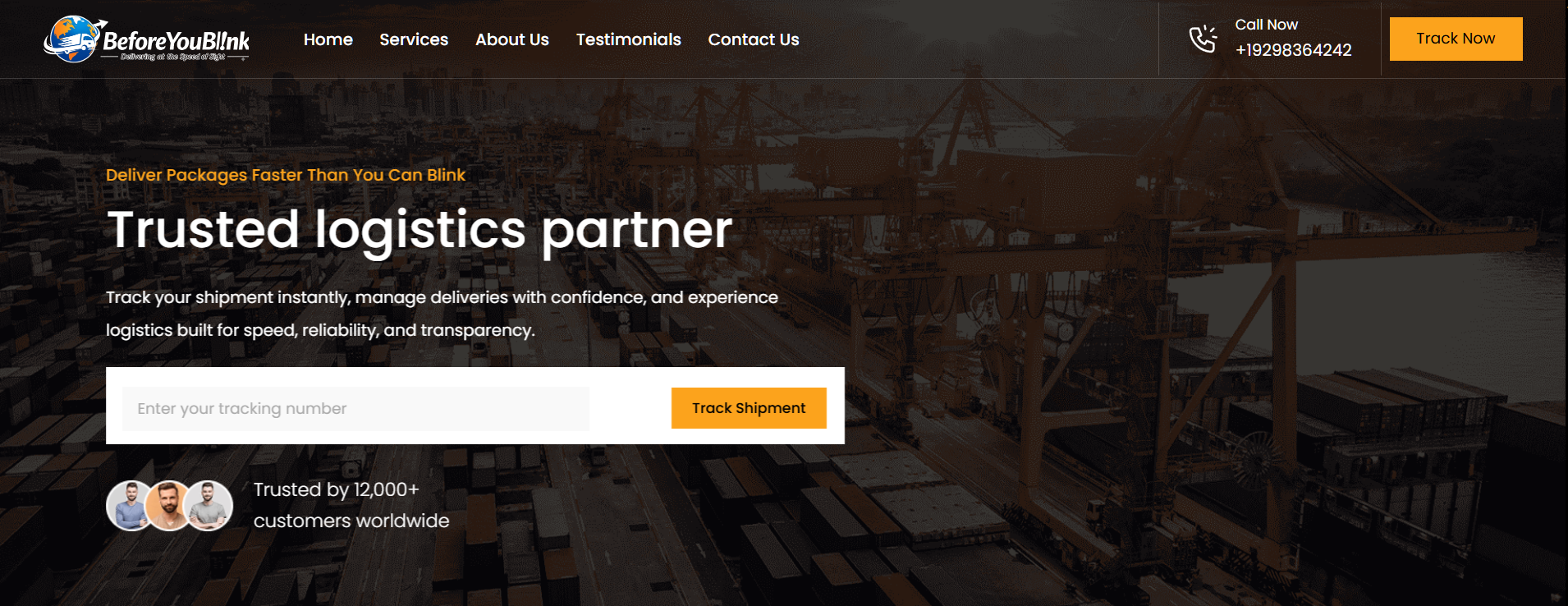
Customers expect to know where their package is at every stage. Without a tracking system, you rely on manual updates and constant calls. This slows down your operations and reduces trust.A tracking system gives customers instant access to shipment status. They can enter a tracking number and see updates in real time. This reduces support requests and improves customer confidence.For the business, it brings control. You can manage shipments, assign delivery agents, update delivery status, and track progress from one dashboard. Errors reduce and operations become faster.It also improves communication. Customers get clear updates without needing to call. Your team focuses more on delivery instead of answering the same questions.In a competitive market, speed and transparency matter. A proper logistics system helps you deliver both.

Read Full Article
The CEO's Guide to Tech ROI: Making Technology a Profit Center in 2026
Business Strategy May 01, 2026
10.6k
3 min read

The CEO's Guide to Tech ROI: Making Technology a Profit Center in 2026

As we hit May 2026, the conversation in Nigeria's boardrooms has changed. Tech is no longer 'that thing the IT guy handles.' It is the core of the business strategy. But many CEOs still struggle to see the direct Return on Investment (ROI) from their tech spend. They see it as a black hole of expense rather than a fountain of profit.To maximize ROI, you must stop 'buying features' and start 'solving problems.' Every naira spent on software should be tied to a specific business outcome: more sales, lower costs, or faster delivery. If you cannot explain how a new system will make the business more money or save time, you shouldn't be buying it. ROI starts with clarity.We encourage CEOs to look at tech as a 'Force Multiplier.' If your team can handle twice as many orders because of a new automated system, that system has paid for itself within months. This isn't just about 'Automation'; it's about 'Scale.' Tech allows you to grow your revenue without linearly growing your headcount. This is the only way to build a truly scalable and profitable business. Technical debt is the silent killer of ROI. If you build your systems cheaply and quickly without regard for quality, you will eventually spend all your time and money fixing what's brokenThis 'Maintenance Trap' prevents you from innovating. High-ROI businesses are those that invest in high-quality engineering from day one. It costs more upfront, but the long-term savings are massive. Data is the most undervalued asset on your balance sheet. Most Nigerian businesses are sitting on a goldmine of data that they never use. By analyzing your customer behavior, your sales trends, and your operational inefficiencies, you can make data-driven decisions that drastically increase your ROI. Tech provides the data; leadership provides the action.Innovation cycles are also shortening. You cannot build a system today and expect it to last for ten years. You need to have a culture of continuous improvement. This doesn't mean chasing every new shiny object; it means regularly auditing your systems to see what's working and what's not. Stay lean, stay agile, and be ready to pivot when the market demands it.Finally, the biggest driver of tech ROI is 'People.' You can have the best software in the world, but if your team doesn't know how to use it or doesn't believe in it, the ROI will be zero. Invest in training, involve your team in the development process, and ensure everyone understands the 'Why' behind the tech. In conclusion, making technology a profit center requires a shift in mindset from the top down. By tying tech to business outcomes, avoiding technical debt, and leveraging your data, you can ensure that every kobo you invest in technology delivers a massive return for your business.

Read Full Article
Cyber-Resilience: Protecting Nigerian Business Data in an Age of Increasing Vulnerability
Security Jan 22, 2025
5.6k
3 min read

Cyber-Resilience: Protecting Nigerian Business Data in an Age of Increasing Vulnerability

As we entered 2025, the sophistication of cyber-attacks in West Africa reached a tipping point. For Nigerian businesses, a data breach isn't just a technical glitch; it's a reputation killer. With the Nigeria Data Protection Regulation (NDPR) becoming more strictly enforced, the stakes for data security have never been higher.A single breach can lead to massive fines, legal battles, and a loss of customer trust that can take years to recover. Security in the Nigerian context requires a layered approach. It starts with 'Zero Trust' architecture the idea that you don't trust anyone inside or outside your network without verification. This includes multi-factor authentication (MFA) for every employee and encrypted data storage for every client record. You should also implement 'Principle of Least Privilege', ensuring that employees only have access to the data they absolutely need to do their jobs. This limits the 'Blast Radius' if an account is ever compromised. We also have to consider the 'human element.' Most breaches aren't caused by sophisticated hacking of firewalls, but by simple social engineering.Training your staff to recognize phishing attempts on WhatsApp or through email is just as important as your backend security patches. Cyber-criminals are getting smarter, using AI to craft incredibly convincing messages that look like they come from your bank or your boss. Regular training sessions and 'simulated phish' tests can keep your team sharp and your data safe.Technical defenses must also be robust. This means using end-to-end encryption for all sensitive communication and ensuring your database is behind a secure firewall. You should also have a real-time monitoring system that alerts you to any unusual activity like a login from an unexpected location or a massive data download. The faster you detect an intrusion, the less damage it can do. Business continuity is the final pillar of cyber-resilience.If the worst happens and your systems are compromised, do you have a plan You need regular, automated backups that are stored securely 'off-site'. You also need an incident response plan that outlines exactly who needs to do what during a crisis. Who communicates with the customers Who talks to the regulators Who is responsible for restoring the systems Having these answers ready before a breach happens is the difference between a minor setback and a total collapse. Finally, we must talk about the ROI of security. Many business owners see security as an 'insurance premium' a cost they have to bear. But in 2025, security is a competitive advantage.When you can show your clients that their data is safer with you than with your competitors, you win. Secure engineering is not just about avoiding loss; it's about enabling growth. In conclusion, cyber-resilience is not a one-time project; it is a continuous process of improvement. By focusing on Zero Trust, staff training, robust technical defenses, and business continuity, you can build a business that is truly 'Security-Hardened' for the Nigerian digital age.

Read Full Article
The Rise of SaaS in West Africa: Why Local is the New Global
SaaS Jul 05, 2024
13.3k
3 min read

The Rise of SaaS in West Africa: Why Local is the New Global

For years, West African businesses relied on global SaaS (Software as a Service) giants for their needs. But in 2024, we saw a significant shift. Local SaaS platforms, built by developers who understand the local tax laws, payment methods, and business cultures, started gaining significant market share. This is the era of 'Local for Local'. A global accounting SaaS might struggle with Nigeria's specific VAT and withholding tax nuances. A local SaaS, however, can automate these from day one. This 'Localization Advantage' is the secret weapon for developers in our region. When you build software that solves the specific problems of your neighbors, you have a competitive edge that no Silicon Valley giant can match. At Ritedev, we're seeing more clients move toward building their own SaaS platforms for niche markets—like school management systems for Nigerian private schools or specialized HR tools for the local hospitality industry. These 'Niche SaaS' plays are incredibly powerful because they address underserved markets with high precision. The 'Payment Layer' is another key differentiator. A global SaaS might only accept dollars via credit cards, which is a major hurdle for many Nigerian businesses due to forex restrictions. A local SaaS can accept Naira via bank transfer, USSD, or local cards, making it much easier for customers to pay. In our market, 'Ease of Payment' is a major feature. Cloud infrastructure is also becoming more accessible. While we still use global providers like AWS or Azure, we are getting better at architecting for cost-efficiency. This allows local SaaS startups to keep their prices competitive while still providing high-quality, reliable service. The 'Serverless' revolution, in particular, has been a game-changer for lean African startups. However, the 'Trust Gap' remains. Many Nigerians are still hesitant to store their data with a local company. Overcoming this requires radical transparency about your security practices, your data storage policies, and your financial stability. You build trust by being better than the global giants—more responsive, more secure, and more tailored to the user's reality. Customer success is the final frontier. In a global SaaS, you are just a ticket number. In a local SaaS, you can pick up the phone and talk to someone who understands your business. This level of personalized support is a massive selling point. In summary, the future of SaaS in West Africa is bright. By leaning into our localization advantage, solving the payment hurdle, and focusing on niche markets, we can build a thriving ecosystem of locally-owned software that powers the next generation of African businesses.

Read Full Article
Beyond the Hype: Practical AI Applications for Nigerian Businesses in 2024
AI Feb 10, 2024
4.1k
3 min read

Beyond the Hype: Practical AI Applications for Nigerian Businesses in 2024

The AI buzzword hit Nigeria hard in 2024. While everyone was talking about ChatGPT, savvy business owners were asking: 'How can this actually make me more money' The answer lies in moving beyond simple chatbots and into specialized AI integrations that solve real business problems. For a Nigerian business, AI can be a force multiplier. Imagine an AI that automatically categorizes your bank statements to match your inventory, or a system that predicts when your stock will run out based on local holidays and market trends. These aren't futuristic dreams; they are tools we are building today. AI can handle the 'Grunt Work'—data entry, report generation, and basic customer sorting—freeing up your human team to focus on high-value tasks like strategy and relationship building. At Ritedev, we're helping clients integrate AI to handle repetitive tasks—like drafting responses to common customer inquiries or automatically generating marketing copy tailored to the Nigerian voice. This allows your team to focus on the things that only humans can do: building relationships and making strategic decisions. We also see great potential in AI-driven fraud detection. By analyzing patterns in thousands of transactions, an AI can spot a fraudulent attempt in milliseconds, protecting your revenue and your customers. Customer personalization is another huge opportunity. In a competitive market, showing your customers that you understand their needs is key to loyalty. An AI can analyze a customer's past behavior to recommend products they actually want, or send them personalized discounts at the exact moment they are most likely to buy. This isn't 'Creepy'; it's 'Helpful.' When done right, AI-driven personalization can increase conversion rates by up to 30%. We also have to talk about the 'AI Talent Gap.' Implementing AI is not just about buying a subscription; it's about having the right engineering expertise to integrate it into your existing systems. You need to know how to clean your data, how to choose the right models, and how to monitor their performance over time. This is where partnering with a technical firm like Ritedev becomes invaluable. We provide the expertise so you can focus on the business. Ethics and privacy are also central to the AI conversation. As we use more data to power our AI systems, we must be incredibly careful about how that data is collected and stored. Transparency is key. Tell your customers what data you are using and why. Ensure you are compliant with the NDPR and other local regulations. An ethical approach to AI is the only way to build long-term trust. In conclusion, AI is not a magic wand, but it is a powerful tool. By focusing on practical, high-impact applications—automation, personalization, and security—Nigerian businesses can use AI to gain a massive competitive advantage. The hype will fade, but the businesses that integrated AI effectively will be the ones leading the market in the years to come.

Read Full Article
Mobile-First Engineering: Designing for the Reality of Nigerian Internet
Engineering Nov 05, 2023
2.2k
3 min read

Mobile-First Engineering: Designing for the Reality of Nigerian Internet

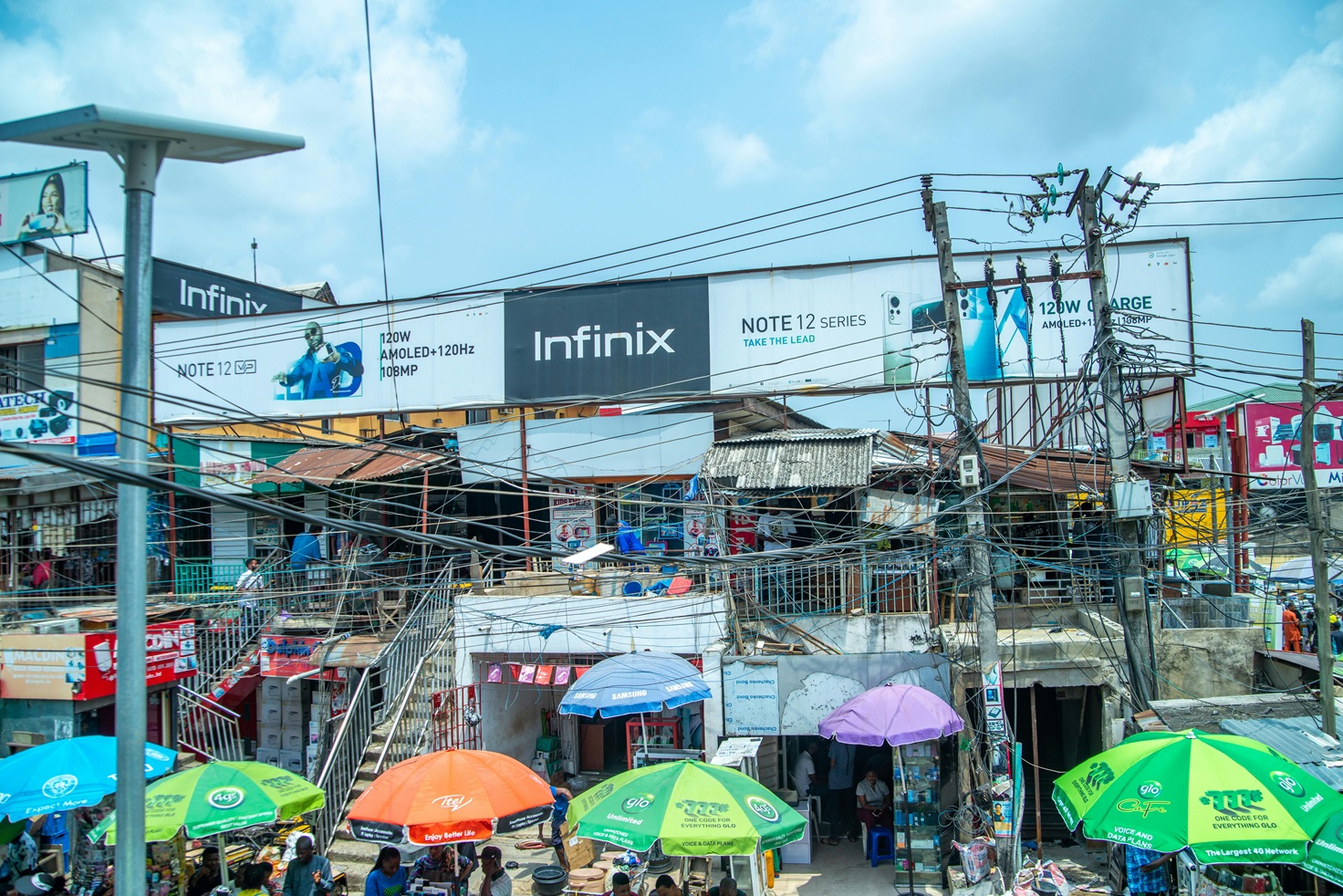
In 2023, mobile penetration in Nigeria reached new heights, but so did the diversity of devices. Engineering for the Nigerian market means understanding that not everyone is using the latest iPhone on a 5G network. Most of your users are on mid-range Android devices, often dealing with expensive data and fluctuating 3G or 4G signals.This reality demands a 'Mobile-First' and 'Performance-First' approach. We're talking about aggressive caching, image optimization, and 'lazy loading' content. Every kilobyte counts when your user is paying for data per megabyte. If your website takes 10 seconds to load and consumes 5MB of data just to show a landing page, you have already lost half your audience.Performance is not a feature; it is a prerequisite for success in the Nigerian digital landscape. Beyond just technical speed, the user experience (UX) must be localized. Nigerians value clarity and directness. We've found that using familiar icons, local terminology where appropriate, and providing offline functionality can drastically increase app retention.For instance, an app that allows users to fill out forms offline and syncs automatically when they get back on Wi-Fi is a godsend for field workers or users in areas with poor coverage. Testing is a critical part of mobile-first engineering. You cannot just test on a high-end MacBook using Chrome DevTools. You need to test on real devices Infinix, Tecno, and Samsung phones that real Nigerians are using.You need to see how your app behaves when the battery is low, when the processor is heating up, and when the network drops from 4G to Edge. This 'Real-World Testing' ensures that your software works for everyone, not just the lucky few with premium hardware. We also advocate for Progressive Web Apps (PWAs).A PWA gives you the best of both worlds: the reach of a website and the functionality of a native app. It can be installed on the home screen, works offline, and sends push notifications, all without the friction of a 100MB download from the Play Store. For many Nigerian businesses, a PWA is the most cost-effective way to provide a high-quality mobile experience. Security on mobile is another area that cannot be ignored. With so many transactions happening on phones, mobile apps are a prime target for hackers. Implementing biometric authentication (fingerprint or face ID) and secure token storage is essential.You should also ensure that your app doesn't leak sensitive data into system logs or screenshots. A secure app is a trusted app. Finally, mobile-first engineering is about empathy. It's about understanding the constraints your users face and building tools that make their lives easier despite those constraints. When you build with the Nigerian mobile reality in mind, you create software that isn't just functional but truly impactful.

Read Full Article
Building High-Performance Remote Teams in the New Nigerian Economy
Culture Nov 30, 2022
3.2k
3 min read

Building High-Performance Remote Teams in the New Nigerian Economy

By late 2022, the 'office vs. remote' debate had settled into a new reality for the Nigerian tech and professional services sector. The best talent no longer wanted to spend 4 hours in Lagos traffic daily. However, building a high-performance team across different cities (or even different time zones) presents unique challenges in our environment.The first challenge is 'The Infrastructure Gap.' A remote team in Nigeria needs more than just a laptop; they need reliable power and data. Companies that succeed are those that treat these as corporate expenses, providing stipends for solar power or high-speed internet. If your team is constantly going offline because of 'NEPA' or data depletion, your productivity will suffer. Investing in your team's home office setup is an investment in your business.The second is 'Culture and Connection.' Without the watercooler chat, how do you build a sense of belonging We've found that structured 'sync' meetings, clear documentation, and quarterly physical retreats are essential for maintaining the Ritedev culture across a distributed team. You need to create 'Virtual Spaces' for informal interaction like a Slack channel for sharing memes or a weekly 'Coffee Chat' where no work is discussed. Building relationships is the foundation of high-performance. Communication is the lifeblood of a remote team.In a physical office, you can pick up on social cues and overhear conversations. In a remote setting, you must be 'Over-Communicative.' Everything must be documented. If it's not in the project management tool, it doesn't exist. This level of transparency ensures everyone is on the same page and reduces the 'Information Asymmetry' that can kill remote projects.Accountability is also key. Remote work requires a shift from 'Time-Based' management to 'Output-Based' management. It doesn't matter if an employee is at their desk at 8:00 AM; what matters is if they delivered the code or the report as promised. This requires clear KPIs (Key Performance Indicators) and a culture of trust. You hire adults; treat them like adults.If you feel you have to 'spy' on your remote team, you have either hired the wrong people or you have a management problem. Psychological safety is the final piece. Working remotely can be isolating. You need to ensure your team feels supported and that they can speak up when they are struggling. Regular one-on-one check-ins that focus on 'How are you' rather than just 'Where is the project' are essential. A happy, supported team is a productive team.In conclusion, building a high-performance remote team in Nigeria is entirely possible, but it requires a deliberate and empathetic approach. By solving the infrastructure gap, fostering connection, and focusing on output, you can tap into the best talent across the country and build a truly world-class organization.

Read Full Article
Custom Software vs. Off-the-Shelf: Why Nigerian SMEs Need Bespoke Solutions
Business Strategy Mar 15, 2022
9.8k
3 min read

Custom Software vs. Off-the-Shelf: Why Nigerian SMEs Need Bespoke Solutions

Many Nigerian business owners start by looking for international ready-made software to solve their problems. Whether it's a CRM, an inventory system, or a booking portal, the temptation to 'buy and use' is strong. However, by 2022, we saw a massive shift: SMEs realized that generic software doesn't speak 'Nigerian Business.' Generic software is built for generic problems.A US-based inventory system might assume your suppliers always provide digital invoices and that your electricity is 100% reliable. In Nigeria, our business workflows are often more complex and require more flexibility. Custom software allows you to build around your actual workflow, not the other way around. For example, a custom logistics system can handle the nuances of 'waybill' tracking and local delivery hubs that a generic international platform would never understand. At Ritedev, we believe that software should be an asset, not a burden.A custom system can integrate with local tools, handle local currency nuances like changing exchange rates, and scale specifically as your business scales. When you use off-the-shelf software, you often find yourself paying for a hundred features you don't need while missing the five features you actually do. Custom development eliminates this waste. You build exactly what you need, ensuring every line of code contributes to your bottom line. Ownership is another major factor.When you pay for a subscription to a global platform, you are essentially renting your business infrastructure. If they increase their prices (which happens often due to dollar fluctuations) or decide to discontinue a feature, you are at their mercy. With custom software, you own the intellectual property. It is an asset on your balance sheet that adds value to your company. You have total control over the roadmap, deciding when and how to update the system based on your specific business goals. Scalability is often easier with custom solutions.As your business grows, your needs change. A ready-made platform might hit a ceiling where it can no longer support your volume of transactions or users. A custom-built platform is designed with your growth in mind. We build systems that can start small but are architected to handle millions of records without breaking a sweat. This 'Future-Proofing' is essential in a market as dynamic as Nigeria. Integration is the final key advantage.Your business likely uses multiple tools—WhatsApp for sales, Excel for accounting, and maybe a separate tool for marketing. Custom software can act as the 'Glue' that connects all these disparate parts into a single, cohesive ecosystem. This eliminates manual data entry, reduces errors, and gives you a 'Single Source of Truth' for your business data. In summary, while off-the-shelf software might seem cheaper and faster initially, the long-term ROI of custom software is almost always higher for Nigerian SMEs. By building a system that fits your unique culture and workflow, you gain a competitive advantage that ready-made tools can never provide.

Read Full Article
The Fintech Revolution: Building Secure and Scalable Payment Systems in Lagos
Fintech Aug 20, 2021
14k
3 min read

The Fintech Revolution: Building Secure and Scalable Payment Systems in Lagos

By 2021, Lagos had firmly established itself as the 'Fintech Capital of Africa.' With companies like Flutterwave and Paystack leading the charge, the bar for financial technology was set incredibly high. But behind the flashy funding rounds lies a rigorous engineering discipline: security. Building a payment system in Nigeria requires more than just API integrations; it requires a 'security-first' mindset.When we talk about security at Ritedev, we aren't just talking about SSL certificates. We're talking about rate limiting, idempotency keys, and sophisticated fraud detection algorithms that can distinguish between a legitimate customer and a malicious actor. A secure system is one that assumes it will be attacked every single day. You need to implement Web Application Firewalls (WAF), regular penetration testing, and a robust bug bounty program if you want to stay ahead of the curve. One of the biggest challenges in fintech is 'availability.' In a country where internet connectivity can be spotty, your payment system must be resilient.This means implementing intelligent retry logic and fallback mechanisms. If Paystack is having a temporary hiccup, your system should be able to switch to a secondary gateway without the customer ever noticing a delay. High availability also means geographically distributed servers. If one data center goes down, your service should remain uninterrupted. This level of redundancy is what separates the professionals from the amateurs.The regulatory landscape is also shifting. The NDPR (Nigeria Data Protection Regulation) is no longer a suggestion; it is a requirement. Any fintech building today must ensure that user data is encrypted both in transit and at rest. This isn't just about compliance; it's about building a brand that people can trust with their life savings. You need to have a clear privacy policy, a data protection officer, and regular audits to ensure you are meeting the highest standards. In the financial world, reputation is everything. One data breach can wipe out years of hard work.We also see the rise of 'Embedded Finance'. This is the idea that every company can be a fintech company. Whether you are a logistics firm or a retail store, adding a wallet or a credit system to your platform can drastically increase customer lifetime value. But with this comes the responsibility of managing financial ledger systems, which requires absolute precision. One kobo missing is one kobo too many. You need to implement double-entry bookkeeping at the database level to ensure that your financial records are always accurate and auditable. User experience in fintech is also evolving. It's no longer enough to have a functional app; it must be delightful.This means fast load times, intuitive navigation, and helpful error messages. Instead of saying 'Transaction Failed,' tell the user *why* it failed was it insufficient funds, a network error, or a limit reached Helping the user solve the problem increases successful transactions and reduces support tickets. Finally, the future of fintech in Nigeria lies in financial inclusion. There are still millions of Nigerians who are unbanked or underbanked. Building solutions that work offline, via USSD, or through agent networks is how we bring everyone into the digital economy.Fintech isn't just for the elites in Victoria Island; it's for the trader in Onitsha and the farmer in Kano. Engineering for inclusion is the ultimate challenge and the ultimate opportunity.

Read Full Article
The Digital Transformation of Traditional Nigerian Industries
Industry Sep 10, 2020
1.4k
3 min read

The Digital Transformation of Traditional Nigerian Industries

While the world focused on apps and websites, a quiet revolution was happening in Nigeria's factories, farms, and markets. Traditional industries, long plagued by manual inefficiencies, began their 'Digital Leap' in 2020. This transformation was not just about buying computers; it was about reimagining how business is done in a connected world. In the manufacturing sector, IoT (Internet of Things) devices started monitoring machinery in Lagos factories, predicting failures before they happened. Instead of waiting for a machine to break and stopping production for days, factory managers could now schedule maintenance during off-hours.This 'Predictive Maintenance' increased productivity and saved millions of naira in lost time and repair costs. In agriculture, mobile-based platforms connected Kwara State farmers directly to buyers in Abuja, eliminating the middlemen who often swallowed the majority of the profit. Farmers could now check real-time market prices, access high-quality seeds, and even secure insurance via their simple feature phones.This 'Agri-Tech' revolution is essential for Nigeria's food security and economic diversification. Digital transformation in retail has also been massive. Traditional 'Mama and Papa' shops started using simple digital inventory and accounting tools. This allowed them to track their sales more accurately, manage their stock better, and even offer digital payment options to their customers. By bringing the informal economy into the digital fold, we are creating a more transparent and efficient market for everyone. The 'Logistics and Supply Chain' sector has perhaps seen the biggest change. In a country where moving goods from point A to point B can be a nightmare, digital tracking systems have brought a new level of transparency.You can now track your shipment from the Lagos port to its final destination in Kano in real-time. This reduces theft, improves delivery times, and builds trust with the end consumer. However, digital transformation is not without its challenges. The biggest hurdle is often 'Culture.' People are naturally resistant to change, especially when they feel their jobs might be at risk.Successful transformation requires strong leadership and a commitment to retraining the workforce. You must show people that the new tools are there to help them do their jobs better, not to replace them. Technical debt is another challenge. Many traditional businesses have old, legacy systems that don't talk to modern software.Bridging this gap requires a careful, phased approach. You don't have to replace everything at once. Start with the areas that have the highest ROI and build from there.In summary, the digital transformation of traditional Nigerian industries is the key to our long-term economic growth. By embracing IoT, Agri-Tech, and digital logistics, we can build a more productive, efficient, and resilient economy for all Nigerians.

Read Full Article
Scaling Nigerian E-commerce: Navigating the Unique Challenges of the Local Market
E-commerce Apr 12, 2020
14.8k
4 min read

Scaling Nigerian E-commerce: Navigating the Unique Challenges of the Local Market

Nigeria is often described as a frontier for digital commerce, a land of massive opportunity tempered by equally massive logistical and trust-based hurdles. In 2020, as the world shifted towards online interactions, the Nigerian e-commerce sector faced a trial by fire. For a business to succeed here, it isn't enough to simply have a website; you need a system that understands the heartbeat of the Nigerian consumer.The first major hurdle is trust. Unlike in more developed markets where 'pay before delivery' is the standard, many Nigerians are still wary of paying for something they haven't seen. This has led to the 'pay on delivery' (POD) model, which, while helpful for customer acquisition, is a nightmare for business cash flow and logistics. To scale, businesses must transition their customers toward digital payments by offering incentives, robust refund policies, and building a brand that feels human and reachable. Trust is the currency of the Nigerian internet.Without it, you are just another URL in a sea of skepticism. You build trust by being transparent about your physical location, showing real customer testimonials, and ensuring your customer service is responsive across WhatsApp and social media. Logistics is the second giant. Our 'last-mile' delivery is notoriously difficult.Addresses can be vague, and traffic in cities like Lagos can turn a 10-minute delivery into a 3-hour ordeal. Successful e-commerce players are those who treat logistics as a core part of their tech stack, using real-time tracking and automated dispatch systems to keep customers informed. We have seen businesses struggle because they viewed delivery as an afterthought. In Nigeria, delivery is the product. If the customer doesn't get their package on time and in good condition, the website's beauty doesn't matter.You must partner with reliable logistics providers or build your own internal fleet if you want total control over the customer experience. Furthermore, we must talk about technical infrastructure. Scaling means your website must stay up when everyone wants to buy. During Black Friday or holiday seasons, the surge in traffic can crush a poorly optimized server. We advocate for cloud-based solutions that can scale horizontally.This means your server capacity grows as your traffic grows, ensuring that no customer ever sees a '504 Gateway Timeout' error. Optimization also includes image compression; a 5MB product image will kill your load speed on a 3G connection in rural Nigeria. Use modern formats like WebP to keep quality high and file size low. Payment integration is another critical area. While Paystack and Flutterwave have made things easier, you still need to handle transaction failures gracefully. A failed payment shouldn't mean a lost customer. Implementing automated follow-ups for abandoned carts or failed transactions can recover up to 20% of lost revenue.Your system should also support multiple payment methods—not just cards, but bank transfers, USSD, and even digital wallets. The more ways a customer can pay, the less friction there is to the sale. Data analytics is the final piece of the puzzle. You cannot scale what you cannot measure. You need to know your Customer Acquisition Cost (CAC) and your Lifetime Value (LTV).Are you spending more to get a customer than they will ever spend with you In the early days of Nigerian e-commerce, many companies burnt through millions of dollars because they didn't understand their unit economics. Scaling properly means growing profitably, or at least having a clear path to profitability. In conclusion, scaling an e-commerce business in Nigeria is a marathon, not a sprint. It requires a deep understanding of the local culture, a robust technical foundation, and an unwavering commitment to customer satisfaction.By focusing on trust, logistics, infrastructure, and data, you can build a business that doesn't just survive but thrives in the giant of Africa.

Read Full Article